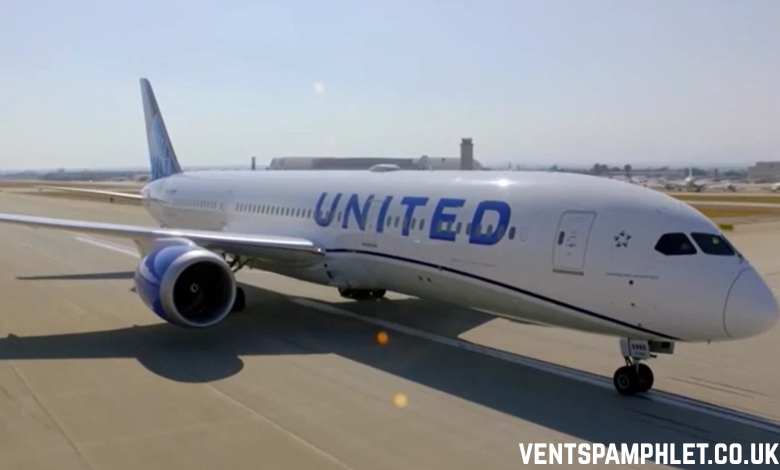
United Flight UA109 Diversion: Understanding the In-Flight Emergency and Its Impact on Airline Operations

Introduction
On October 30, 2025, United Airlines Flight UA109 made headlines due to its unexpected diversion, a move that not only altered the course of its journey but also sparked important questions about airline safety protocols, crew management, and how in-flight emergencies are handled. Originally scheduled to fly nonstop from Munich Airport (MUC) in Germany to Washington Dulles International Airport (IAD) in the United States, the Boeing 787-8 Dreamliner unexpectedly diverted to Dublin, Ireland, in the middle of its transatlantic journey. The reason for the diversion wasn’t a mechanical failure or weather-related event but rather a medical emergency involving a crew member. This situation prompted widespread attention from passengers, aviation experts, and the global media, all eager to understand the details behind this unexpected decision.
Background of United Flight UA109
United Flight UA109 operates as part of United Airlines’ long-haul network, connecting Munich, Germany (MUC), with Washington Dulles International Airport (IAD) in Virginia, USA. The flight serves as a vital link between Europe and the U.S. East Coast, catering to a range of passengers, including business travelers, tourists, and government personnel. As a long-haul flight, it typically uses the Boeing 787-8 Dreamliner, a modern aircraft known for its fuel efficiency and comfort, especially on long-distance routes.
The Dreamliner is one of the most advanced commercial aircraft in operation, featuring quieter engines, advanced aerodynamics, and improved cabin pressure and humidity levels, which help reduce passenger fatigue on long flights. The aircraft is designed for extended overwater operations and can easily handle the non-stop nature of this transatlantic flight. United Airlines, as one of the largest international carriers, runs a highly complex schedule that supports the movement of thousands of passengers across the Atlantic.
The Diversion: What Happened on October 30, 2025?
United Flight UA109 took off from Munich on October 30, 2025, at approximately 12:14 CET, marking the start of what should have been a routine 8-9 hour flight to Washington, D.C. However, about three hours into the flight, as the aircraft was cruising at 40,000 feet over the North Atlantic, the flight crew encountered an unforeseen medical emergency. A flight attendant on board began experiencing severe discomfort related to a blister condition, which, according to airline sources, impaired their ability to perform safety-related duties.
Medical emergencies are not uncommon on long-haul flights, and airlines have well-established protocols to handle such situations. In this instance, the crew, recognizing the gravity of the situation, made the decision to divert to the nearest suitable airport. The decision was made with passenger safety in mind, as regulations require airlines to have a certain number of crew members onboard to fulfill safety duties, especially on long-haul flights. If a crew member is unable to perform these duties due to illness, injury, or other issues, the airline may be legally obligated to divert the flight to ensure safety.
Why Did the Flight Divert to Dublin?
Initially, social media posts and flight tracking services incorrectly suggested that United Flight UA109 had been diverted to Boston. However, according to official airline statements and data from flight-tracking websites like FlightAware, the actual diversion point was Dublin, Ireland. This situation underscores the potential for misinformation to spread rapidly, particularly when flight tracking shows an aircraft near a large city like Boston but does not necessarily reflect the aircraft’s final landing destination.
In this case, Dublin was the closest suitable airport that could accommodate the flight, considering the medical emergency on board. Dublin Airport is well-equipped to handle international flights, and its proximity to the flight’s location at the time of the emergency made it a logical choice. In situations where a medical emergency requires the diversion of a flight, factors such as airport facilities, runway length, and crew rest areas are critical considerations.
The Role of Crew Health in Flight Operations
Although often overlooked by passengers, the health and well-being of the crew play a vital role in maintaining flight safety and smooth operations. Every airline is required to adhere to strict regulations regarding the number of crew members required on board, which is determined by the number of passengers on the flight. This legal requirement ensures that the airline has enough trained personnel to handle safety procedures and emergencies, including evacuations, in-flight service, and medical incidents.
A flight attendant or pilot’s medical issue can potentially have a major impact on the flight, not just from a health perspective but also from a safety perspective. For example, if a flight attendant is incapacitated and there is no additional crew member available to step in, the airline may be forced to divert the flight to maintain safety standards. This was the case with United Flight UA109, where the condition of the crew member necessitated a diversion to ensure compliance with airline regulations and maintain passenger safety.
In previous instances, airlines have diverted flights for crew-related medical emergencies such as fatigue, illness, or injuries, as these situations can also jeopardize the safety of passengers. For example, a pilot who is too ill to operate the aircraft may need to be replaced by a co-pilot or diverted to the nearest airport, where a replacement crew member can board. These situations are relatively rare but serve as reminders of the complex dynamics at play during international flight operations.
How Airlines Handle Medical Emergencies
Airlines take medical emergencies very seriously, and they are equipped with comprehensive protocols to ensure that all crew members are prepared to handle such situations. The crew of United Flight UA109, upon recognizing the flight attendant’s condition, would have immediately followed a well-established set of procedures, which include notifying the captain, assessing the severity of the medical issue, and consulting with medical professionals via satellite communication if necessary.
In some cases, in-flight medical issues can be resolved without the need for diversion. For instance, a flight might continue if the passenger or crew member can be stabilized and monitored for the remainder of the flight. However, in this case, the medical condition of the flight attendant was serious enough to warrant a diversion, and Dublin was the most viable option at that time. The airline would have coordinated with local medical teams to ensure that the crew member received the appropriate care upon landing.
Airlines also have on-board medical kits and trained medical professionals, including pilots and flight attendants, who are capable of handling many common in-flight medical emergencies. However, when a situation exceeds the capabilities of the crew, diversion to a nearby airport is the best option to protect both passengers and crew.
Misinformation and the Role of Flight Tracking
The confusion surrounding the diversion of United Flight UA109 highlights a growing concern in the aviation industry: the role of flight tracking and the potential for misinformation. As real-time flight tracking becomes more widely accessible, both passengers and the general public can monitor flights in progress, including the precise location of aircraft. While this provides transparency and valuable information, it also allows for confusion, as seen in the case of UA109.
The initial reports of the flight being diverted to Boston were fueled by the fact that the flight had been tracked near the city. However, this was based on real-time tracking data, which does not necessarily provide complete or up-to-date information about the flight’s final destination. This illustrates the importance of verifying information from credible sources before making assumptions or spreading information online.
The spread of misinformation in this case also sparked discussions about the responsibility of flight-tracking platforms and news outlets to provide accurate information. Airlines, too, have a role to play in ensuring that they quickly communicate accurate information to passengers and the public in case of disruptions, including diversions and delays.
What This Means for Future Transatlantic Operations
United Flight UA109’s diversion serves as a reminder of the complex factors that influence the safety and operation of international flights. It highlights the importance of medical readiness, crew health, and operational flexibility in ensuring that flights can be safely managed, even when unexpected situations arise.
For passengers, the diversion of a flight may cause frustration, especially when it leads to delays or changes in plans. However, it is essential to understand that diversions are often made for safety reasons, whether due to a crew member’s health or other unforeseen events. Airlines like United are equipped to handle such emergencies efficiently, and they rely on the experience of their crews and ground staff to ensure that operations continue smoothly.
As interest in the diversion of Flight UA109 grows, the aviation community may look to this event as an example of how airlines handle in-flight medical emergencies and the importance of clear communication. The event also reinforces the need for passengers to stay informed through credible sources and to understand the complexities of air travel.
Conclusion
The diversion of United Flight UA109 on October 30, 2025, serves as an important reminder of the challenges airlines face in ensuring the safety of their passengers and crew. While the reason for the diversion—an in-flight medical emergency involving a crew member—was not related to mechanical failure or weather, it underscores the importance of maintaining legal crew requirements and having contingency plans in place to address emergencies.
As the aviation industry continues to evolve, it is clear that safety protocols, including crew health management and communication, will remain a key focus for airlines. This incident highlights the delicate balance airlines must strike in maintaining smooth operations while prioritizing passenger and crew welfare, especially when it comes to handling medical emergencies.
FAQS
Why was United Flight UA109 diverted?
United Flight UA109 was diverted due to a medical emergency involving a crew member, not a mechanical issue.
Where did United Flight UA109 divert to?
The flight was diverted to Dublin, Ireland, after a crew member encountered a serious medical condition.
How does a crew member’s health affect flight operations?
Airlines must meet legal crew requirements, and if a crew member cannot perform duties, a diversion may be necessary.
Was United Flight UA109’s diversion a common occurrence?
While rare, diversions due to crew medical emergencies are not uncommon in the airline industry, prioritizing passenger safety.
How do flight tracking services handle diversions?
Flight tracking platforms can sometimes show aircraft near large cities but may not reflect the actual final destination of a diversion.