
Introduction
Alaskan Seiti, also known as Alaska pollock, is a type of white fish that has been gaining popularity among health-conscious individuals, families, chefs, and sustainability advocates worldwide. Despite being less well-known by name than salmon or cod, Alaskan Seiti plays a crucial role in the global seafood industry. Praised for its mild flavor, flaky texture, and impressive nutritional value, it has become a favored choice for both home cooks and commercial food production. This article takes an in-depth look at Alaskan Seiti, covering its origins, health benefits, sustainability practices, economic impact, and culinary versatility.
What is Alaskan Seiti?
Alaskan Seiti, scientifically known as Gadus chalcogrammus, belongs to the cod family (Gadidae). It is primarily found in the cold waters of the North Pacific Ocean, especially around Alaska. This fish is known for its mild, neutral flavor and delicate, flaky texture, making it highly versatile in various culinary applications.
The fish is often compared to other white fish such as cod, haddock, and tilapia, all of which share some similar characteristics. However, Alaskan Seiti stands out due to its superior texture and a nutritional profile that includes healthy omega-3 fatty acids, making it a more beneficial option for health-conscious consumers. Its light flesh color and tender texture allow it to absorb marinades, seasonings, and spices effectively, giving chefs the flexibility to use it in many different cuisines, from simple dishes to gourmet preparations.
Origins and History of Alaskan Seiti
Alaskan Seiti is native to the North Pacific, and it is mainly found in the Bering Sea, along the coasts of Alaska, and in the Aleutian Islands. It has been a staple in the local diet for centuries, but its commercial fishing history began in the mid-20th century. Since then, it has become one of the most important fish species caught for human consumption, particularly in the United States and countries that rely on seafood imports.
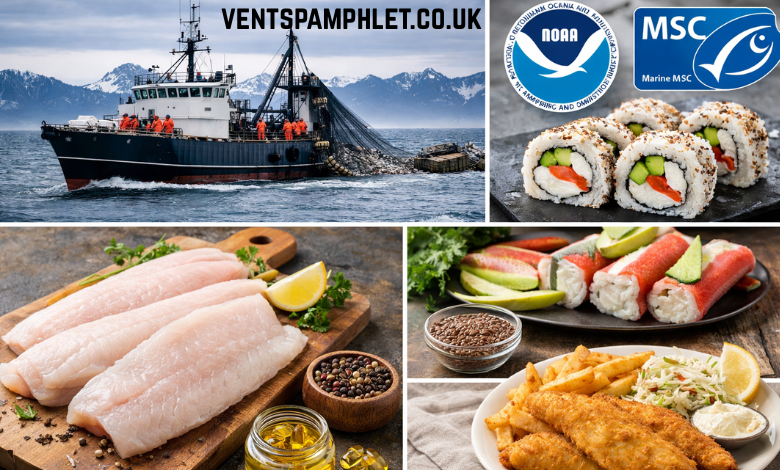
The Alaska pollock fisheries have long been known for their high standards of sustainability and management. The National Oceanic and Atmospheric Administration (NOAA) and the North Pacific Fishery Management Council regulate and oversee the fishery, ensuring that the populations remain stable and the environmental impact is minimal.
Health Benefits of Alaskan Seiti
One of the most appealing aspects of Alaskan Seiti is its impressive health benefits. As a lean source of protein, it is low in calories, fat, and carbohydrates, making it a suitable option for those on calorie-controlled diets. Alaskan Seiti is a rich source of essential nutrients, such as vitamins B6 and B12, iodine, and selenium, which support various bodily functions like nerve health, immune function, and thyroid health.
Perhaps one of the most notable health benefits of Alaskan Seiti is its omega-3 fatty acid content. Omega-3s are known for their ability to support heart health by reducing inflammation and lowering blood pressure. These healthy fats are also beneficial for brain function, reducing the risk of cognitive decline as individuals age.
The fish is also a great source of phosphorus, an essential mineral that plays a role in the formation of healthy bones and teeth. Furthermore, Alaskan Seiti is often considered a more sustainable and ethical choice when compared to farmed fish species, such as tilapia, that are often produced in less-regulated environments.
Sustainability Practices of Alaskan Seiti
Sustainability is a key factor that sets Alaskan Seiti apart from many other types of seafood. The Alaskan pollock fisheries are some of the most well-managed fisheries in the world. Both the NOAA and the North Pacific Fishery Management Council have implemented comprehensive management programs to ensure the long-term sustainability of the fish population.
These management efforts include strict fishing quotas, restrictions on the types of fishing methods used, and regulations that aim to reduce bycatch (the capture of unintended species). The fisheries also promote ecosystem-based management, ensuring that the health of the entire marine environment is considered in their practices.
Moreover, Alaskan Seiti is often certified by independent sustainability organizations, such as the Marine Stewardship Council (MSC), which provides consumers with confidence that the fish they purchase comes from well-managed and sustainable sources.
By choosing Alaskan Seiti, consumers can support responsible fishing practices and contribute to the preservation of marine ecosystems. This is particularly important in today’s world, where overfishing and unsustainable fishing practices have caused significant harm to global fish populations.
Economic Impact of Alaskan Seiti
Alaskan Seiti is a vital contributor to the economy, particularly in Alaska, where it is one of the most commercially important fish species. The fishing industry generates thousands of jobs, from fishermen to processors to distributors, and provides a significant source of revenue for the state and the broader United States economy.
Alaskan Seiti is used in various commercial products, such as fish fillets, fish sticks, imitation crab (surimi), and fast-food fish sandwiches, making it a highly versatile ingredient in the food processing industry. It is also exported to many countries, further contributing to the economic impact of the fisheries.
Despite being a relatively low-cost fish, Alaskan Seiti is an economically significant product that provides both affordable seafood options for consumers and substantial income for those working within the industry.
Culinary Versatility of Alaskan Seiti
Alaskan Seiti’s mild flavor and delicate texture make it an incredibly versatile ingredient in the kitchen. It can be prepared in various ways, including baking, grilling, frying, steaming, or poaching. The fish’s ability to absorb marinades and spices makes it an ideal choice for a wide range of dishes, from simple fish tacos to more elaborate gourmet meals.
One of the most popular forms of Alaskan Seiti is imitation crab, or surimi, which is widely used in sushi, salads, and seafood dips. Surimi is made by grinding the fish into a paste and then reconstituting it into a crab-like texture. This process makes Alaskan Seiti a cost-effective alternative to real crab, offering a similar taste and texture at a fraction of the price.
Alaskan Seiti is also a popular choice for fish fillets and fish sticks, commonly found in grocery stores and fast food menus. These products offer an easy-to-prepare seafood option for families and individuals looking for a quick, nutritious meal.
In addition to being a great protein source, Alaskan Seiti can be used in various cuisines, such as Mediterranean, Asian, and American dishes. Its versatility makes it suitable for everything from fish soups and stews to fish cakes and fish burgers.
Comparing Alaskan Seiti to Other White Fish
When comparing Alaskan Seiti to other popular white fish species like cod, haddock, and tilapia, there are several notable differences that make it an attractive choice. Cod and haddock both have a similar mild flavor and lean protein content, but Alaskan Seiti stands out due to its slightly more delicate texture and lower cost. It is often considered more affordable than cod and haddock, making it an ideal option for both commercial and personal use.
Tilapia, while widely consumed, is often farmed in less-regulated environments, and many varieties of tilapia lack the omega-3 fatty acids found in Alaskan Seiti. Alaskan Seiti’s higher omega-3 content makes it a healthier choice for those looking to increase their intake of heart-healthy fats.
In terms of flavor, Alaskan Seiti offers a cleaner, more neutral taste compared to the stronger flavors of cod or haddock. This makes it an appealing choice for those who prefer a milder, less fishy taste.
Conclusion
Alaskan Seiti, or Alaska pollock, is an emerging star in the world of seafood. With its mild flavor, flaky texture, impressive nutritional profile, and commitment to sustainability, it is becoming a popular choice among consumers, chefs, and environmental advocates alike. Whether you’re looking for a healthy, affordable, and versatile fish for everyday meals or a sustainable option for your restaurant or food business, Alaskan Seiti is an excellent choice. By opting for this fish, you’re not only making a smart culinary decision but also supporting sustainable practices that help protect marine ecosystems for future generations.
FAQS
What is Alaskan Seiti?
Alaskan Seiti, also known as Alaska pollock, is a mild-flavored white fish known for its flaky texture and versatility.
Is Alaskan Seiti sustainable?
Yes, Alaskan Seiti is sustainably sourced, regulated by NOAA, and often certified by the Marine Stewardship Council (MSC).
How can I cook Alaskan Seiti?
Alaskan Seiti can be grilled, baked, fried, or steamed, making it perfect for a wide range of dishes.
What are the health benefits of Alaskan Seiti?
It’s a lean source of protein, rich in omega-3 fatty acids, vitamins B6 and B12, and essential minerals.
How does Alaskan Seiti compare to other fish?
Alaskan Seiti offers a milder flavor and a delicate texture compared to other white fish like cod and tilapia.