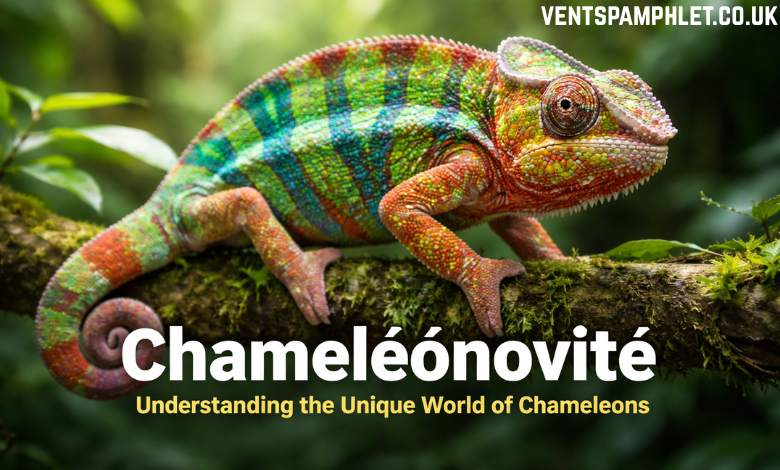
Chameleónovité: Understanding the Unique World of Chameleons and Their Evolutionary Adaptations

Chameleons, with their unique ability to change colors, extraordinary eyes, and stealthy movements, have long intrigued both scientists and the general public. Known for their biological complexities and evolutionary adaptations, chameleons belong to the reptilian family Chamaeleonidae, which is referred to as Chameleónovité in Slovak and Czech. These reptiles are not only a symbol of transformation and adaptation in nature but also a prominent subject in cultural symbolism and media. This article offers a comprehensive look into the world of Chameleónovité, from their biology to their behavior, habitat, reproduction, and their conservation status.
What Are Chameleónovité?
The term Chameleónovité specifically refers to the family of reptiles known as Chamaeleonidae. These reptiles are widely recognized for their color-changing abilities, prehensile tails, and specialized feet. The Chamaeleonidae family includes a diverse range of species that are adapted to their environments through extraordinary physical and behavioral traits. While the term “chameleon” is more commonly used worldwide, Chameleónovité is a more specific term used in Central Europe, particularly in Slovakia and the Czech Republic, to describe all species within this family.
Classification and Evolution of Chameleónovité
The evolutionary journey of chameleons dates back tens of millions of years. The family Chamaeleonidae is believed to have originated during the Paleocene and Eocene epochs, with fossil evidence found in Africa and parts of Europe. These early fossils reveal that the characteristic traits of modern chameleons, such as specialized feet and prehensile tails, were already in development, highlighting the importance of these adaptations in the survival and evolution of the species.
Fossils discovered in regions such as Germany and Kenya provide valuable insight into the early dispersal of chameleons and their evolutionary history. The fact that many of the core features of chameleons existed long before their modern forms further emphasizes the role of adaptation in their survival across changing environmental conditions.
Natural Habitat and Distribution
Chameleons are primarily native to tropical and subtropical regions, including Africa, Madagascar, parts of southern Europe, India, and the Middle East. Madagascar is home to the greatest diversity of chameleon species, making it a global hotspot for chameleon evolution. This island’s isolated ecosystem has allowed for the development of unique species that are not found anywhere else in the world.
A few species of chameleons, such as the Mediterranean Chameleon (Chamaeleo chamaeleon), can be found in parts of southern Europe, including Spain, Portugal, and Greece. These regions represent the European presence of the Chamaeleonidae family, although the diversity of chameleons in Europe is much lower compared to their African and Madagascan counterparts.
Biological Features and Adaptations
Chameleons are widely known for their ability to change color, a phenomenon that has fascinated scientists and laypeople alike. This ability is a result of specialized cells called chromatophores, which contain different pigments. The chameleon can expand or contract these cells, altering the color of its skin. The change in color can be influenced by a variety of factors, including temperature, light, emotions, and social interactions. While the most commonly recognized reason for color change is camouflage, chameleons also use it to communicate with other chameleons and as a response to stress.
Another remarkable adaptation of chameleons is their unique eyes. Chameleons have eyes that can move independently of each other, giving them a nearly 360-degree field of vision. This allows them to keep an eye out for both prey and potential predators simultaneously. Their eyes are also capable of zooming in on objects with exceptional precision, making them excellent hunters.
Chameleons also possess prehensile tails and specialized feet, which are crucial for their survival in arboreal (tree-dwelling) environments. Their feet are zygodactylous, meaning they have two toes facing forward and two facing backward, which allows them to grasp branches and other structures with great precision. This adaptation, combined with their prehensile tails, gives chameleons the ability to navigate through trees and shrubs with ease, making them expert climbers.
Behavior and Hunting Techniques
Chameleons are solitary creatures, and their behavior is primarily influenced by the need for camouflage and territorial defense. They are also known for their slow, deliberate movements, which help them avoid detection by predators. Despite their slow movements, chameleons are skilled hunters. They feed primarily on insects, which they capture using their long, sticky tongues. The tongue of a chameleon can extend to more than twice the length of its body, allowing it to catch prey from a significant distance. The tongue is also incredibly fast, extending and retracting in a fraction of a second to capture unsuspecting insects.
In addition to their physical hunting techniques, chameleons also rely on their color-changing abilities to blend into their surroundings and avoid being detected by both prey and predators. This makes them excellent at remaining unnoticed in their natural habitats, where they are typically found among the foliage and branches of trees.
Reproduction and Lifespan
Chameleons generally lay eggs, although some species give birth to live young. The reproduction process in chameleons varies across species, but it usually involves a courtship ritual, during which males display their colors and perform physical behaviors to attract a mate. Once mating has occurred, the female will lay a clutch of eggs, which she buries in the ground or hides in a secure location. The eggs are left to incubate, and after a few months, the young chameleons hatch, emerging fully formed and ready to start their independent lives.
The lifespan of a chameleon can vary depending on the species, with some living up to 10 years in captivity. However, many species of chameleons have relatively short lifespans in the wild due to predation and environmental factors.
Chameleónovité in Captivity
Chameleons are popular pets, particularly for reptile enthusiasts. However, keeping a chameleon in captivity requires specific care to ensure its health and well-being. Chameleons are sensitive to their environment, and their care involves replicating the conditions of their natural habitat as closely as possible. This includes providing appropriate temperature gradients, humidity levels, and access to climbing structures. It is also important to provide a varied diet, including live insects such as crickets, roaches, and worms.
One of the most challenging aspects of caring for a chameleon is their need for specialized lighting. Chameleons require ultraviolet (UV) light to synthesize vitamin D3, which is essential for calcium absorption. Without proper UV lighting, chameleons can develop metabolic bone disease, a condition that can lead to weakened bones and other health issues.
While chameleons can be fascinating pets, it is important to note that they are not ideal for novice reptile keepers. Their specific care requirements and delicate nature mean that they require experienced owners who can provide the proper environment and care.
Conservation and Threats to Chameleónovité
Many species of chameleons are facing threats due to habitat loss, climate change, and the illegal pet trade. The deforestation of tropical habitats in Africa and Madagascar is particularly harmful to chameleon populations, as it reduces the available space for these arboreal creatures. Additionally, the collection of chameleons for the exotic pet trade has led to declines in certain species, particularly those with striking color patterns and unique traits.
Conservation efforts are underway to protect chameleon populations in the wild. This includes habitat preservation, captive breeding programs, and regulations to curb illegal collection and trade. However, the conservation status of many chameleon species remains a concern, and continued efforts are necessary to ensure their survival.
Conclusion
Chameleónovité, or chameleons, are a remarkable family of reptiles with a rich evolutionary history and unique biological features. From their color-changing abilities to their specialized feet and prehensile tails, chameleons have evolved to thrive in some of the most challenging environments on Earth. While these creatures are fascinating and resilient, they also face significant threats from habitat destruction and the illegal pet trade. Understanding their biology, behavior, and conservation needs is essential to ensuring their survival for future generations.
Whether you are a student, a wildlife enthusiast, or a pet owner, learning more about Chameleónovité provides valuable insights into the world of these incredible reptiles. By supporting conservation efforts and educating others about their importance, we can help protect these fascinating creatures and ensure that their unique adaptations continue to inspire awe for years to come.
FAQS
What are Chameleónovité?
Chameleónovité, or chameleons, are a family of reptiles known for their color-changing abilities, unique eyes, and specialized feet.
Where are Chameleónovité found?
Chameleónovité species are native to Africa, Madagascar, southern Europe, India, and the Middle East.
Why can chameleons change color?
Chameleons change color using specialized cells called chromatophores, helping with camouflage, communication, and temperature regulation.
How long do chameleons live?
Chameleons can live up to 10 years in captivity, depending on the species and care provided.
Are chameleons endangered?
Some chameleon species face threats from habitat loss, climate change, and the illegal pet trade, leading to conservation efforts.