
Introduction
In the Lithuanian language, the word “sodziu” carries with it a weight that goes beyond its simple translation. While it can be understood as “village” or “rural homestead,” this definition only scratches the surface. Sodziu represents much more: a deeply rooted cultural concept, a way of life, and a symbol of harmony between human existence and the natural world. For those familiar with Lithuania’s rural traditions, the term is not just a geographic marker but a cultural cornerstone. This article delves into the essence of sodziu, exploring its historical significance, architectural style, community life, and the challenges it faces in modern times.
Defining Sodziu: More Than Just a Village
At its most basic, “sodziu” refers to a rural settlement in Lithuania. It is the Lithuanian word for a homestead or village, where people live and work in close proximity to the land. The literal translation of sodziu could be understood as a collection of homes, barns, and outbuildings, typically situated in the countryside. However, the meaning of sodziu extends far beyond this simple physical description.
In Lithuanian culture, sodziu represents a way of life that has existed for centuries. It is a concept that connects people to the earth, to their ancestors, and to each other. Sodziu is not just about the physical layout of buildings; it’s about a way of organizing life, work, and relationships around shared values. It represents simplicity, self-sufficiency, and close-knit community bonds. It is about living in rhythm with nature, respecting the land, and relying on each other to thrive.
The Architecture of Sodziu: Simple Yet Functional
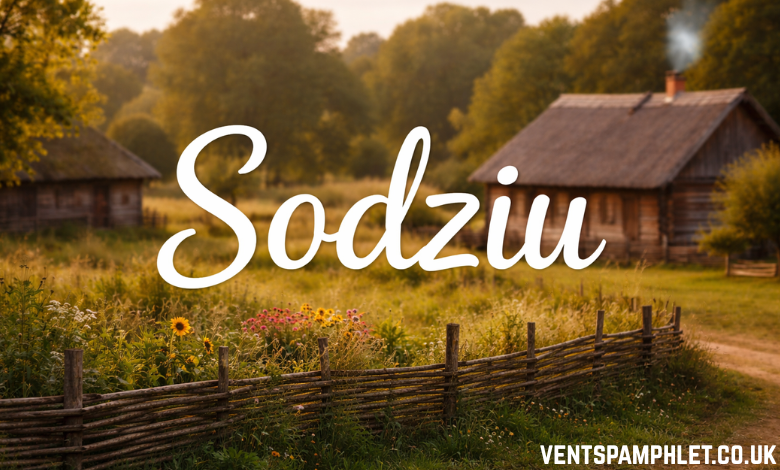
One of the most defining characteristics of sodziu is the architecture that defines it. Traditional sodziu homes are practical and grounded in the local environment. They are often built from timber, reflecting the abundant natural resources of the area. The designs are modest yet deeply functional, meant to support both the everyday needs of the family and the agricultural activities that sustain the community.
A typical sodziu homestead consists of several key elements. The main house serves as the central living space, often shared by extended families. Surrounding it are barns for storing hay and tools, sheds for livestock, and communal cooking areas. These structures are arranged around a central courtyard, which serves as the heart of the homestead. This organization creates a sense of cohesion and unity, with each building serving a specific function in support of the community’s agricultural lifestyle.
The roofs of sodziu buildings are typically sloped steeply to manage the heavy snowfall that is common in the region. Some homes feature thatched roofs, a traditional design that helps maintain warmth during the long, cold winters. The use of natural materials and functional design reflects the importance of practicality in sodziu life—every aspect of the home is designed with a purpose, from the layout of the buildings to the materials used for construction.
Community Life in Sodziu: Shared Work and Strong Bonds
One of the most important aspects of sodziu life is the strength of community. In a sodziu, no one lives in isolation. The people who inhabit these rural villages share not only physical space but also the work that sustains their livelihoods. Neighbors are more than just people who live next door—they are extended family, coworkers, and lifelong friends. This deep connection between individuals creates a network of support that is crucial for the survival of the community.
The communal nature of sodziu life is evident in the way work is organized. Large tasks, such as harvesting crops, building barns, or caring for livestock, are often completed with the help of the entire community. This cooperative spirit is central to the sodziu way of life. Traditions like barn raisings and shared planting days are not just practical—they are social events that bring the entire community together. These activities foster a sense of belonging and strengthen the bonds between neighbors.
In a sodziu, the lines between work and socializing often blur. People spend their days working side by side, exchanging stories, sharing meals, and building relationships that span generations. The experience of living and working together in such close quarters creates a unique sense of unity and support that is rare in more urbanized areas.
Celebrating Life: Festivals and Traditions in Sodziu
Cultural celebrations in sodziu are deeply connected to the land and the changing seasons. These festivals are not just about socializing—they are sacred events that reaffirm the community’s connection to nature and to their ancestors. Festivals like Joninės, the midsummer celebration, mark important points in the agricultural cycle and provide an opportunity for the community to gather, share food, and celebrate together.
Kūčios, the Lithuanian Christmas Eve tradition, is another example of how the people of sodziu come together to honor their cultural heritage. This event, held on Christmas Eve, is a time for families to gather and share a special meal. It is a deeply spiritual occasion that connects people to their ancestors and to the larger cultural traditions of Lithuania. Through these celebrations, the people of sodziu maintain a strong sense of identity and continuity with their past.
The food served during these celebrations also reflects the agricultural traditions of sodziu life. Traditional dishes are often made from locally grown ingredients, with an emphasis on simple, hearty meals that reflect the rhythm of the land. The food is often prepared and shared communally, reinforcing the sense of togetherness that defines sodziu life.
Challenges Facing Sodziu: The Impact of Modernization
While sodziu life has remained largely unchanged for centuries, the modern world is slowly encroaching on these rural communities. The challenges faced by sodziu communities today are many. One of the most significant issues is the depopulation of rural areas. Many young people are leaving their villages in search of better opportunities in cities. This migration has led to an aging population in rural areas, with fewer young people to take on the responsibilities of farming and community life.
In addition to the loss of population, the pressure to modernize agriculture is also having an impact on sodziu communities. Industrial farming practices, which focus on maximizing yield and efficiency, have been adopted by some farmers in an attempt to keep up with the changing demands of the global market. However, these practices threaten the traditional farming methods that have sustained sodziu life for generations. The loss of biodiversity, the use of chemical fertilizers, and the focus on large-scale farming all contribute to the erosion of the values that make sodziu life so unique.
These changes have sparked debates about the future of sodziu communities. Some argue that modernization is inevitable and that rural areas must adapt in order to survive. Others believe that it is essential to preserve the traditional ways of life that make sodziu so special. The challenge, then, is finding a way to balance the demands of modernization with the need to protect the cultural and environmental values that define sodziu life.
The Symbolism of Sodziu: A Representation of Lithuanian Identity
Sodziu is not just a physical place or a way of life—it is a symbol of Lithuanian identity. In a world that is increasingly globalized and urbanized, sodziu represents a connection to the past, to the land, and to a simpler way of life. It is a reminder of the importance of community, the value of tradition, and the need to live in harmony with nature.
For many Lithuanians, sodziu embodies the resilience and spirit of their ancestors. It represents the values of hard work, cooperation, and self-sufficiency that have sustained the Lithuanian people for centuries. In this sense, sodziu is not just a rural settlement—it is a cultural concept that continues to resonate deeply with the Lithuanian people.
As the world changes, the future of sodziu communities remains uncertain. However, the cultural significance of sodziu will likely continue to shape the identity of the Lithuanian people for generations to come. Whether through the preservation of traditional farming practices, the celebration of cultural festivals, or the simple act of sharing a meal with neighbors, sodziu will remain an enduring symbol of the values that define Lithuanian rural life.
Conclusion
Sodziu is more than just a word in the Lithuanian language—it is a cultural concept that embodies the values, traditions, and way of life of rural Lithuania. From its modest, practical architecture to the deep sense of community and connection to the land, sodziu represents a lifestyle rooted in simplicity, self-sufficiency, and shared responsibility. As these rural communities face the challenges of modernization, the future of sodziu remains uncertain. However, its cultural significance as a symbol of Lithuanian identity will continue to shape the country’s rural heritage for generations to come.