
Introduction
“Assimilasjon” is a term that touches on many aspects of human life, from language and culture to social interactions and even biology. At its core, assimilasjon refers to the process of adapting or integrating elements into something else, often in a way that makes them more similar or homogeneous. This concept is particularly important in our increasingly interconnected world, where understanding cultural, social, and linguistic assimilation is crucial to navigating diversity, fostering inclusion, and promoting unity. But what does assimilasjon mean in practice, and why is it so vital to comprehend in the modern age?
What is Assimilasjon?
Derived from the Latin word assimilare, meaning “to make similar,” the term assimilasjon encapsulates a broad spectrum of ideas. It refers to the process of adapting to or integrating into a different group, culture, or system. This adaptation can manifest in various ways, from language acquisition and social behavior to more subtle, unconscious shifts in cultural identity and values. While the word is most commonly used to discuss cultural or social assimilation, its meanings and implications span many disciplines, including linguistics, sociology, anthropology, and even biology.
In everyday usage, particularly in countries like Norway, assimilasjon is often discussed in the context of immigration and multiculturalism. The process of assimilating can refer to how immigrants or minority groups adjust to the cultural norms, language, and practices of the dominant society. However, this concept extends far beyond the mere act of immigration. Assimilasjon can occur in many other scenarios, such as when a person learns a new language, adopts new social customs, or even modifies their beliefs or behaviors to fit into a particular environment.
Assimilasjon vs. Integrasjon: Understanding the Distinction
While assimilasjon and integrasjon may seem like interchangeable terms, they represent distinct processes. Assimilasjon, particularly in the context of immigration and multiculturalism, typically refers to a one-way process of adaptation. It involves individuals or groups changing to conform to the dominant culture, often at the expense of their original identity. In this sense, assimilasjon can sometimes lead to the loss of cultural diversity, as people begin to blend into a single, unified cultural identity.
On the other hand, integrasjon, which translates to “integration” in English, involves a more reciprocal relationship. It emphasizes mutual respect and coexistence, where both the dominant culture and the newcomer share and celebrate their differences. In an integrated society, diverse groups work together without requiring one group to completely give up its traditions, language, or cultural practices. This distinction between assimilasjon and integrasjon is crucial, as it helps to highlight the potential challenges of assimilation — particularly the risk of cultural erasure and loss of identity.
Linguistic Assimilasjon: A Phonological Process
In linguistics, assimilasjon refers to a phonological process by which sounds in a word or phrase become more similar to neighboring sounds. This phenomenon occurs naturally in languages across the world and helps make speech more efficient and easier to pronounce.
For instance, in English, the phrase “good boy” is often pronounced as “goob boy,” where the “d” sound changes to a “b” sound due to the influence of the bilabial “b” in the following word. This phonological adjustment allows for smoother speech, which is easier to say and less likely to lead to errors. In this sense, linguistic assimilasjon is a purely natural process that enhances communication by promoting efficiency in speech.
This process can be seen across various languages, from the assimilation of sounds in French (such as “un homme” being pronounced as “un’omme”) to the influence of dialects on regional pronunciations. Linguistic assimilasjon can also influence the way languages evolve over time, leading to shifts in phonetic patterns and even the formation of new dialects.
Historical Context: Assimilasjon Through the Ages
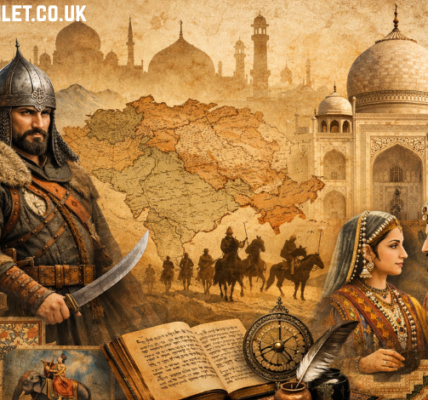
The concept of assimilasjon is not new. Throughout history, various civilizations and empires have employed assimilation policies to integrate conquered peoples into their cultures. The Romans, for example, were well-known for their efforts to assimilate conquered peoples into Roman culture through the imposition of language, customs, and religious practices. The idea was that by making these groups more similar to Romans, the empire would foster loyalty, unity, and social stability.
Similarly, in Persia and China, assimilation policies were implemented to ensure that newly conquered territories and their inhabitants would adopt the practices and systems of the dominant empires. These strategies often included efforts to change local languages, promote specific religions, and align political structures with those of the ruling powers.
During the colonial era, European powers, including the British, French, and Spanish, employed assimilation as a tool of control. Colonizers sought to impose their language, culture, and values upon native populations, often erasing indigenous traditions, languages, and practices in the process. This forced assimilation, which frequently involved the destruction of native cultures, had lasting consequences, many of which are still felt today in post-colonial societies.
The Psychological and Social Impact of Assimilasjon
While assimilation can facilitate communication and social cohesion, it can also have negative consequences, particularly when individuals or groups feel pressured to abandon their cultural heritage. One of the most significant challenges associated with assimilasjon is the psychological toll it can take on individuals, particularly second-generation immigrants. These individuals often find themselves caught between two identities — their cultural heritage and the dominant culture they are adapting to.
For many second-generation immigrants, assimilasjon can lead to a sense of confusion and loss of self. They may struggle with feelings of alienation, as they may not fully fit into either culture. This dual identity can create stress, anxiety, and a feeling of not belonging to either group.
Moreover, forced assimilation policies, such as those used in colonial or post-colonial contexts, can result in long-term trauma. Indigenous peoples, for example, who were subjected to forced assimilation in the name of “civilization,” often experience a profound sense of loss. The erasure of their languages, customs, and traditions leaves lasting scars on their sense of identity and community. The trauma caused by such policies can persist for generations, affecting the psychological well-being of entire communities.
Assimilasjon in the Modern World: Benefits and Risks
In the globalized world of the 21st century, assimilasjon is a concept that plays out in many different forms. On one hand, it can promote greater unity, as individuals and groups learn to adapt to new environments, languages, and social norms. In a multicultural society, assimilasjon can help people integrate into the larger social fabric, making it easier for them to communicate, build relationships, and access opportunities.
On the other hand, assimilasjon can also lead to the loss of cultural diversity and individual identity. When people are pressured to conform to a dominant culture, they may feel that their heritage is being devalued or erased. This tension between adaptation and preservation is a central challenge of modern societies, particularly in countries with high rates of immigration and cultural diversity.
Understanding assimilasjon, therefore, requires a delicate balance. It involves recognizing the importance of adapting to new environments and learning new ways of living while also acknowledging the value of preserving cultural heritage and diversity. For societies to thrive in an inclusive way, it’s essential to find ways to support both assimilation and integration, ensuring that everyone can feel a sense of belonging without losing their unique cultural identity.
Conclusion
Assimilasjon is a complex, multifaceted concept that touches on nearly every aspect of human life. From language and culture to social behavior and identity, it shapes how individuals and societies evolve over time. Whether through linguistic shifts, social integration, or cultural blending, assimilasjon plays a crucial role in how we interact with one another and adapt to changing environments.
While the process of assimilasjon offers many opportunities for growth and unity, it also presents risks, particularly when cultural erasure and identity loss are involved. By understanding the dynamics of assimilasjon — its benefits, challenges, and implications — we can foster more inclusive societies where diverse cultures are respected and celebrated. Through mutual understanding and respect, we can navigate the complex world of assimilation in a way that values both adaptation and cultural preservation.
FAQS
What is the meaning of assimilasjon?
Assimilasjon refers to the process through which individuals or groups adapt to a new culture, language, or environment.
How does assimilasjon differ from integrasjon?
Assimilasjon involves one-way adaptation, while integrasjon focuses on mutual respect and coexistence between different cultural groups.
Is assimilasjon a natural process?
Yes, assimilasjon is a natural process that occurs in language, culture, and social norms as individuals adapt to new environments.
What are the psychological effects of assimilasjon?
Assimilasjon can create feelings of identity conflict, especially among immigrants, leading to stress and anxiety due to dual identities.
Why is understanding assimilasjon important today?
Understanding assimilasjon helps promote inclusion, respect for diversity, and effective communication in multicultural societies, fostering harmony and unity.